Bulk buying saves money only when a lower unit price survives storage, waste, financing, and changes in demand. A package can be economically large before it is physically large, and a small multipack can still be wasteful. The practical method is to calculate cost per usable unit and compare the quantity with how fast the household actually consumes it.
Find the real unit price
Convert competing products to the same unit: price per ounce, pound, liter, item, sheet, dose, or serving. Use net quantity, not package dimensions. For concentrates, compare the manufacturer’s specified usable doses, while recognizing that real use may differ. If products vary in strength or quality, unit price alone is not an equal comparison.
Include coupons, mandatory membership fees, delivery charges, deposits, taxes where applicable, and travel costs when they materially differ. Compare the bulk offer with the price you would realistically pay elsewhere, including store brands and normal promotions.
Larger packaging is not guaranteed to have the lowest unit price. Retailers and manufacturers use different sizes, and promotional pricing can invert the expected relationship. Check the arithmetic every time.
Calculate usable, not purchased, quantity
A low price matters only for the portion consumed before it spoils, becomes unsafe, loses necessary performance, or is abandoned. If a 12-unit package costs less per item but three units are discarded, divide the total price by nine, not 12. This “usable unit price” reveals many false savings.
Estimate consumption from receipts or a short household log. Divide package quantity by average weekly use. Compare the result with shelf life, quality after opening, storage instructions, and likely changes in the household.
Expiration and “best if used by” dates do not all mean the same thing. The USDA explains that, except for infant formula, food date labels generally concern quality rather than a universal safety deadline. Food still requires proper storage and evaluation. Follow specific safety guidance, recalls, and manufacturer instructions rather than using one rule for every product.
Classify products by risk
Stable, predictable goods are the easiest bulk candidates: frequently used paper products, certain cleaning supplies, sealed toiletries, and shelf-stable foods the household consumes consistently. Even these require dry, secure storage and attention to children, pets, heat, and moisture.
Moderate-risk products include coffee, spices, whole grains, oils, nuts, batteries, and personal-care items. They may remain usable but lose flavor, potency, charge, or texture. The package’s value depends on turnover and storage conditions.
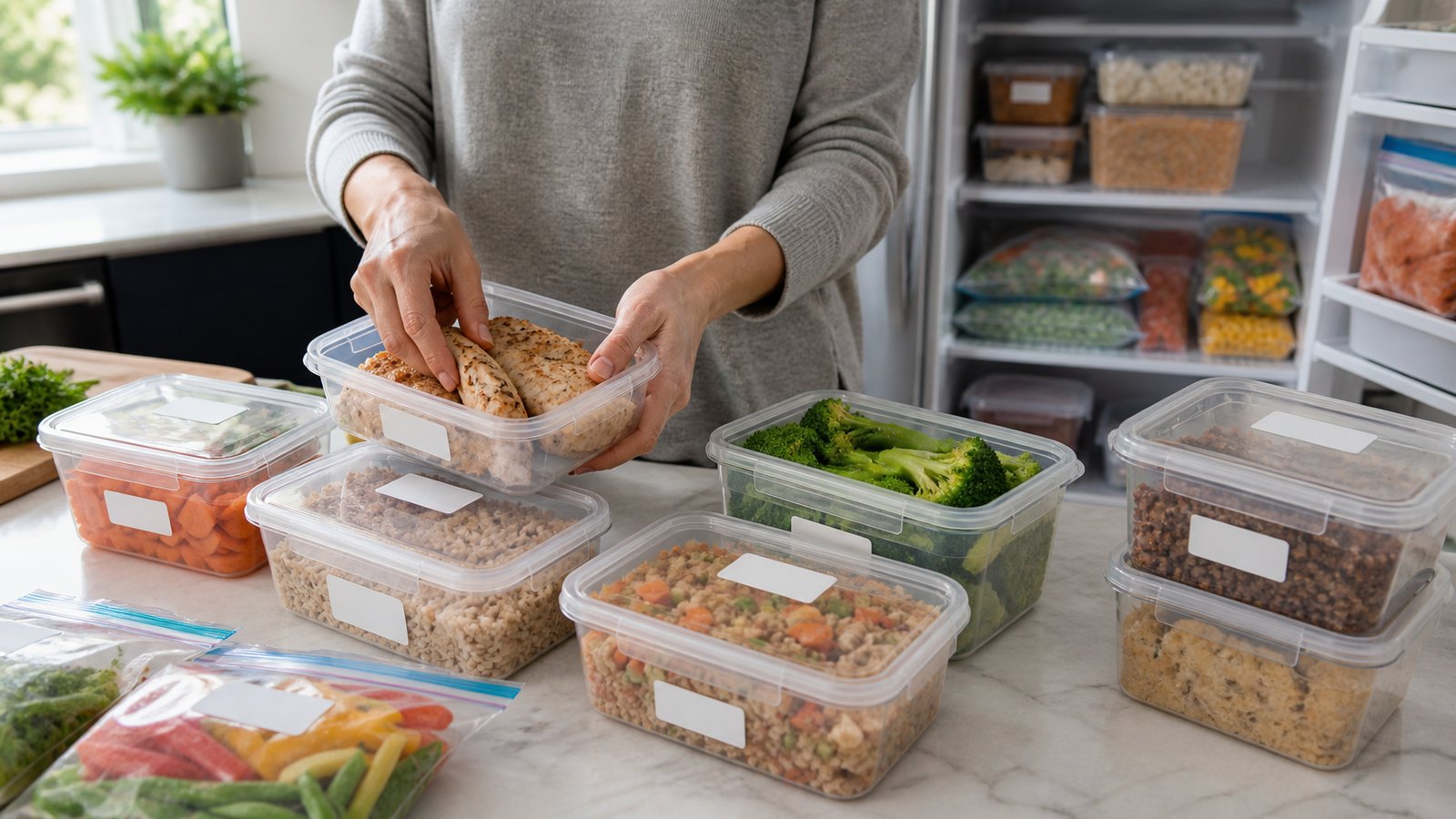
High-risk purchases include unfamiliar foods, large quantities of fresh produce, products for a temporary diet, fashion-sensitive items, and anything bought mainly because the package looks impressive. Perishable meat can be suitable when promptly portioned, labeled, frozen safely, and consumed within recommended quality periods, but freezer capacity and packaging effort belong in the calculation.
Infant formula, medicines, chemicals, and specialized products deserve extra caution. Follow official storage, dating, dosing, and disposal instructions. Do not split or repackage hazardous products into unlabeled containers.
Measure storage before buying
Map pantry shelves, freezer volume, refrigerator space, and safe household-storage areas. Leave room for air circulation where appliances require it. A crowded freezer can make organization difficult; an overfilled pantry can hide older goods and encourage duplicate buying.
Store food off the floor where appropriate, protect it from pests and moisture, and rotate older stock forward. Label divided packages with the product, date, allergen information, and instructions needed for safe use. Keep original packaging or lot information when recalls could require identification.
Do not let bulk chemicals migrate into drink bottles or food containers. Keep cleaners, detergents, and other hazardous products in their original labeled containers, secured away from children and food.
Storage has a cost. Extra bins, a vacuum sealer, shelving, or a freezer consume money, space, and energy. Buying an appliance solely to hold bargains requires a separate break-even analysis.
Account for cash flow
Bulk purchasing moves future spending into the present. A household may save per unit yet strain its monthly budget or carry a credit-card balance. Interest and late fees can exceed the discount. Essential bills and an emergency cushion generally deserve priority over inventory.
Calculate the dollar saving, not only the percentage. Saving 20 percent on a $10 annual supply produces $2; it may not justify storage or reduced flexibility. Conversely, a modest percentage on a high-use staple can accumulate if waste remains near zero.
Opportunity cost also matters. Money locked in six months of one product cannot respond to a price drop, a move, a new allergy, or a better alternative. Shorter stock cycles preserve flexibility.
Avoid consumption creep
People often use more when more is available. Larger snack packages can change portion size; abundant paper goods or detergent can increase casual use. That does not make bulk buying inherently bad, but savings estimates should use actual post-purchase consumption, not the old rate if behavior changes.
Pre-portioning can help when it is safe and practical. Divide food into meal-size packages, freeze promptly, and label dates. Use a measured scoop for concentrated products. Keep overflow stock out of the daily-use area while maintaining a simple inventory.
Do not force consumption merely to justify the purchase. Eating unwanted food, applying excess product, or retaining clutter converts financial waste into other kinds of waste.
Compare subscriptions and automatic shipments
A subscription can resemble bulk buying spread over time. Review shipment frequency, minimum quantities, cancellation rules, price-change notices, and whether the discount applies to every order. Automatic delivery can create surplus when consumption slows.
Set a calendar reminder before each processing date and inspect inventory. Pause or cancel shipments you do not need. A “subscribe and save” label is not proof that the price beats one-time purchases elsewhere.
For warehouse or buying-club memberships, allocate the annual fee across the purchases that truly require membership. If bulk goods are the only reason to join, their savings must first recover that fixed cost.
Coordinate shared purchases carefully
Splitting a large package with relatives or neighbors can improve turnover, but agree on quantity, price, pickup, and payment first. Divide packaged shelf-stable items more easily than foods requiring strict temperature control. Maintain cold food at safe temperatures during transport.
Do not split products when doing so removes dosage, hazard, ingredient, lot, expiration, or preparation information. Keep traceability for recalled goods. Informal sharing should never override membership terms or resale laws.
Use a repeatable decision rule
Before putting a bulk item in the cart, answer six questions:
- Is the total unit price lower than my realistic alternative?
- How many units will be used before quality or usefulness declines?
- Do I have safe, organized storage already available?
- Can I pay without debt or sacrificing a more important need?
- Will having more cause higher consumption or clutter?
- What happens if preferences, household size, or prices change?
Record bulk purchases for two or three months. Note quantity bought, quantity discarded, and whether another package was purchased before the first ended. This creates a personal list of dependable bulk buys instead of relying on generic recommendations.
Bulk buying works best for predictable demand, durable products, verified lower unit prices, and existing storage. It fails when the shopper buys an aspiration—future cooking, future organization, or future discipline—instead of a quantity supported by real habits. The most economical package is the one with the lowest cost per unit actually used.