Weekly Meal Planning: A Practical Guide for Easier, Balanced Meals
Weekly meal planning is not about designing seven perfect days or cooking everything on Sunday. It is a short decision-making routine that helps you answer three practical questions before the week becomes busy: what will you eat, what ingredients do you need, and when will preparation happen? A useful plan reflects your schedule, budget, food preferences, available equipment, and energy. It also leaves room for leftovers and changes.
Begin with your real calendar
Review the next seven days before choosing recipes. Match meals to the time and energy actually available, use dinner leftovers for planned lunches, and repeat easy breakfasts or snacks. Reserve one flexible dinner for leftovers or a quick pantry combination so a schedule change does not disrupt the week.
Use a balanced meal framework
A visual framework makes planning easier than calculating every nutrient. MyPlate recommends building meals around fruits, vegetables, grains, protein foods, and dairy or a fortified soy alternative. A practical plate often gives substantial space to fruits and vegetables, includes a grain and a protein source, and adds dairy or an appropriate alternative when it fits the meal. Variety across the week matters more than forcing every food group into every snack.
Translate that framework into familiar combinations. Oatmeal with berries, nuts, and yogurt can make a complete breakfast. A grain bowl may include brown rice, roasted vegetables, chickpeas, greens, and a yogurt-based sauce. Dinner could pair baked chicken, potatoes, broccoli, and fruit. Plant-based proteins such as beans, lentils, tofu, nuts, and seeds can rotate with eggs, seafood, poultry, or meat.
Choose foods you will realistically eat. Buying unfamiliar produce for an idealized plan creates waste if nobody wants it. Introduce one new ingredient or recipe at a time while relying on dependable meals for the rest of the week.
Inventory before you shop
Check the refrigerator, freezer, and pantry before writing the menu. Note foods that should be used soon, including open containers, soft produce, cooked grains, and thawed ingredients. Build early-week meals around the most perishable items. Longer-lasting vegetables, frozen foods, and pantry staples can support meals later in the week.
Create a short list of dependable staples. Examples include oats, rice, pasta, canned beans, canned tomatoes, tuna, frozen vegetables, eggs, nut butter, and shelf-stable broth. Your list should match your household rather than a generic checklist. A stocked pantry is most useful when every item connects to meals you already make.
Keep a running note of foods that are nearly finished. This reduces duplicate purchases and makes the final shopping list faster to assemble.
Choose meals with ingredient overlap
Ingredient overlap saves money and preparation time without requiring identical meals. Roasted vegetables can accompany chicken one night, fill a grain bowl the next day, and become part of an omelet later. A pot of beans can support tacos, soup, and lunch salads. Fresh herbs can flavor a sauce, a sandwich, and a final garnish.
Overlap works best when the ingredient changes format or seasoning. Eating the same assembled dish four times may feel repetitive, but using the same cooked component in different meals is efficient. Plan one or two anchor preparations, such as a tray of vegetables and a batch of grain, then combine them with different proteins, sauces, or textures.
Avoid choosing several recipes that each require a long list of unique ingredients. Specialty items are worthwhile when you will reuse them, but they can make a supposedly economical week surprisingly expensive.
Build a precise shopping list
Write the list from the finished plan, then subtract what you already own. Include quantities when they matter: two cans of beans, one pound of carrots, or enough yogurt for four breakfasts. Group items by store section so you can move efficiently and reduce forgotten purchases.
Separate essentials from optional items. If prices are higher than expected, you can remove optional snacks or substitute ingredients without abandoning the core meals. Frozen and canned produce can be practical alternatives to fresh options; compare labels and choose forms that fit your needs. Seasonal produce may offer good value, but only buy amounts you can use.
Shopping from a list reduces impulse decisions, yet the list should allow sensible substitutions. If the planned fish is unavailable, another protein may fit the same side dishes. If spinach looks poor, another leafy green can serve a similar role.
Prepare components, not an exhausting marathon
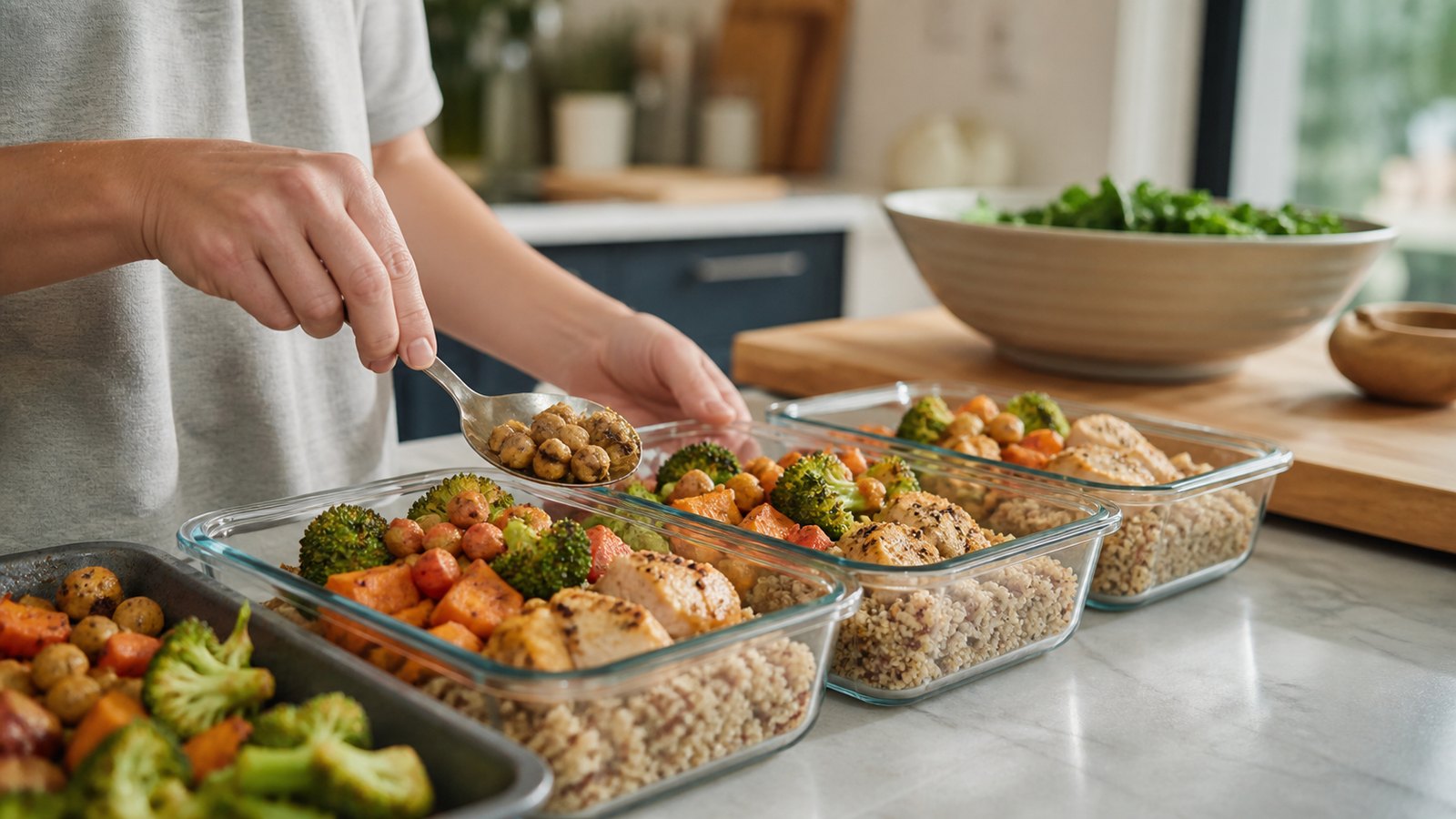
Preparation should remove friction from busy days. Wash produce, cook a grain, portion snacks, mix a sauce, or chop sturdy vegetables. You can also assemble one complete meal for the busiest day. Stop when the work no longer provides a clear benefit. Spending an entire day cooking can make planning feel unsustainable.
Match advance preparation to food quality and safety. Some foods hold well after cooking, while others are better prepared close to serving. Keep raw ingredients separate from ready-to-eat foods, use clean tools and surfaces, and refrigerate perishable foods promptly. Store prepared foods in shallow, covered containers so they cool efficiently. Label containers with the contents and preparation date.
The refrigerator should stay at 40°F or below, and the freezer at 0°F or below. Do not rely only on appearance or smell to judge safety. When uncertain about storage time or handling, use current food-safety guidance rather than guessing.
Plan leftovers intentionally
Leftovers are most useful when assigned a purpose. Write “Tuesday lunch: Monday chili” instead of assuming leftovers will somehow disappear. If a recipe makes more than you need, decide whether extra portions will be refrigerated for near-term meals or frozen for another week.
Cool and store leftovers promptly, and reheat them thoroughly. Pack work or school lunches with appropriate cold storage, such as an insulated bag and cold source when refrigeration is unavailable. Discard food that has been left at room temperature too long or handled unsafely. A meal plan should reduce waste, never encourage taking risks with questionable food.
Create a visible “use first” area in the refrigerator for open packages and prepared portions. A quick midweek check can catch produce that needs attention and reveal whether the schedule has changed.
Keep backup meals available
Every plan needs a low-effort alternative. Good backups use foods you normally keep and can prepare with little thought. Possibilities include pasta with canned tomatoes and frozen vegetables, quesadillas with beans, vegetable soup with toast, or eggs with potatoes and fruit. The best backup is not exciting; it is reliable.
A backup prevents an expensive last-minute decision and protects the rest of the ingredients from being forgotten. It also makes the plan more humane. Some days, the correct choice is the meal that requires ten minutes rather than the recipe originally scheduled.
Review and improve the next week
At the end of the week, note what worked. Which meals were easy? What produced too many leftovers? Which ingredient went unused? Did breakfast need more variety, or did repetition make mornings easier? Use those answers to adjust portions, timing, and purchases.
Save successful weekly plans rather than starting from a blank page. A four-week rotation can provide structure while still allowing seasonal changes and new recipes. Over time, your plan becomes a personalized system: a small collection of meals, shopping patterns, and preparation habits that make balanced eating easier. Consistency comes from reducing decisions, not from pursuing perfection.