A reliable contractor is not simply the person with the best reviews or fastest start date. Reliability means the business is qualified for the specific work, communicates a clear scope, follows permit and safety requirements, carries appropriate coverage, manages changes, and remains accountable after payment.
The selection process should make proposals comparable.
Define the project before requesting bids
Write a scope describing the problem, desired result, rooms or systems affected, known constraints, and target timing. Add drawings, photos, product preferences, and performance requirements where useful. Distinguish required work from optional upgrades.
For a roof, specify whether bids should include tear-off, underlayment, flashing, ventilation, decking allowance, disposal, permits, and cleanup. For a bathroom, identify fixtures, waterproofing approach, electrical work, ventilation, finishes, and who supplies each item.
A clear scope reduces hidden assumptions and discourages low initial bids that grow through predictable “extras.” Complex projects may justify a designer, architect, engineer, energy auditor, or other independent professional before contractor selection.
Build a credible candidate list
Ask neighbors, trade professionals, and people who completed similar projects—not merely anyone who knows a contractor. Search the company’s legal name, owner, address, and phone number with terms such as complaint, lawsuit, scam, and review. Read patterns across several sources.
Confirm how long the business has operated under its current name and who will supervise the site. A new business is not automatically unreliable, but its experience and financial capacity need careful evaluation.
Be cautious with unsolicited door-to-door offers, claims of leftover materials, disaster-related pressure, or a price available only today.
Verify license and registration independently
Licensing rules vary by state, county, city, trade, and project value. Ask for the exact license number and the legal name attached to it, then verify status with the responsible government agency. Do not rely on a photocopy, website badge, or number printed on a truck.
Check whether the license covers the trade and location, whether it is active, and whether public disciplinary information exists. Determine which subcontractors need separate licenses. NASCLA provides links to state contractor licensing agencies, but local requirements may still apply.
A license establishes a regulatory status, not a guarantee of quality. Verification is one part of the decision.
Confirm insurance and bonding
Request a current certificate of general liability insurance sent by the insurer or agent, and verify coverage dates and business name. Ask about workers’ compensation as required for the contractor’s workforce and location. Your insurer can explain what documentation matters for the project.
A bond, where required, is different from liability insurance and may protect against limited types of nonperformance or violations. Ask the licensing agency what a bond covers and how a claim works.
Do not assume homeowners insurance covers contractor mistakes, injuries, vacant periods, or major renovations. Notify your insurer before substantial work and ask about builder’s risk or other needs.
Check relevant certifications and safety rules
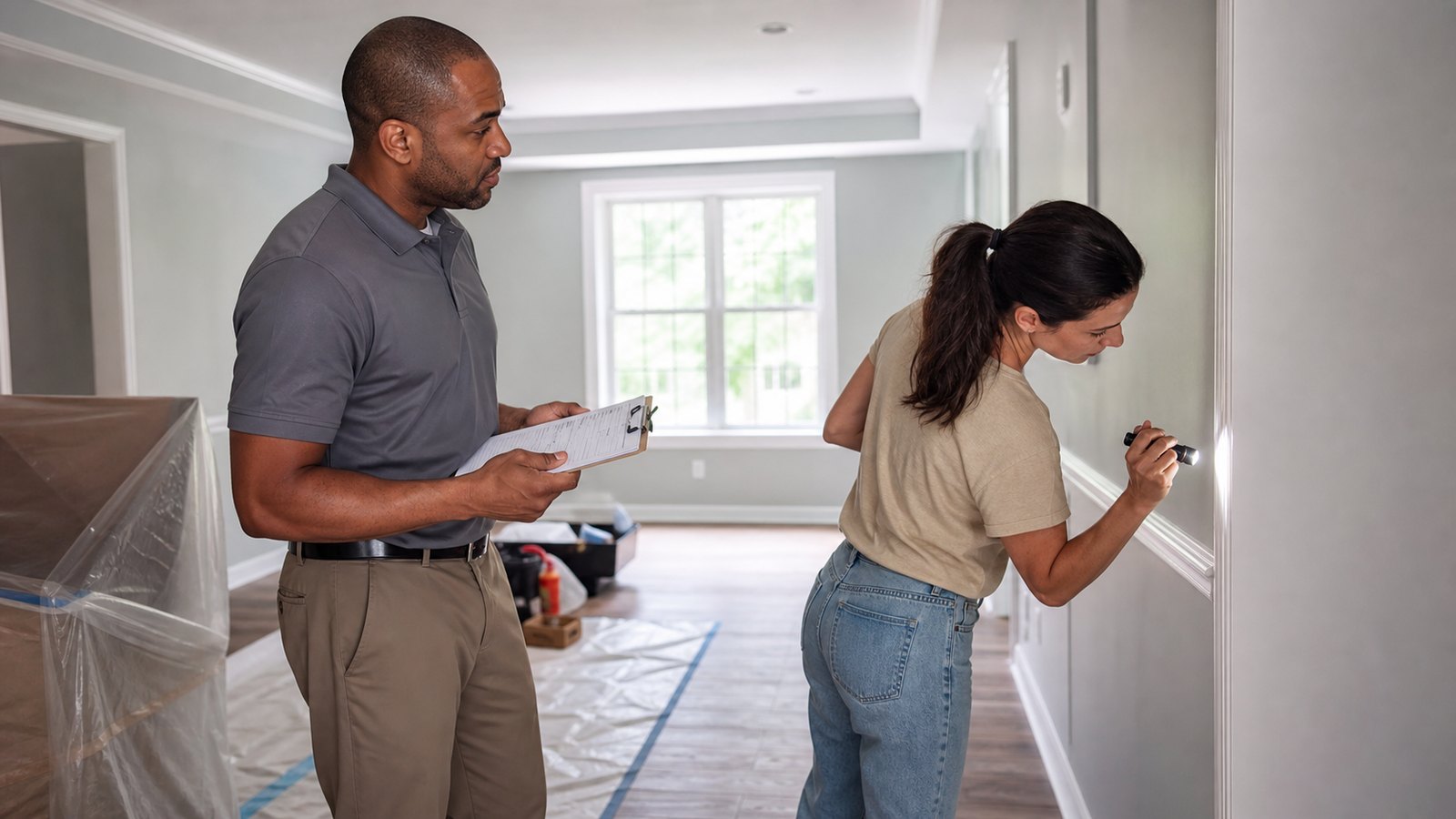
Specialized work may require certifications beyond a general contractor license. For renovation that disturbs paint in most pre-1978 homes and child-occupied facilities, the EPA’s Renovation, Repair and Painting Rule generally requires covered firms to be certified and use lead-safe practices, subject to the rule’s scope and exceptions. Verify firm certification through EPA or the authorized state program.
Electrical, plumbing, HVAC, asbestos, mold, pesticide, and environmental work may have separate requirements. Ask who will perform each trade and verify that entity—not just the prime contractor.
Interview candidates with the same questions
Discuss recent projects of similar size, current workload, daily supervision, subcontractors, permits, cleanup, communication, warranty service, and how delays are handled. Ask what the contractor sees as the project’s main risks.
Useful questions include:
- Who is the primary contact and site supervisor?
- Which work is subcontracted, and to whom?
- How are schedule changes communicated?
- What conditions could change the price?
- Who orders and verifies materials?
- How are the home, landscaping, pets, and occupants protected?
- What documentation is provided at completion?
Strong contractors can explain process and limitations without promising that nothing will go wrong.
Call references and inspect completed work
Request recent references and at least one older project to test durability and follow-up. Confirm the customer’s identity rather than relying only on a prepared testimonial.
Ask whether the scope, cost, and schedule were clear; how changes were documented; whether the site was orderly; and how the contractor handled a problem. “Would you hire them again?” is useful, but details are more informative.
If visiting a completed project, obtain permission and respect privacy. Examine workmanship relevant to your job.
Compare detailed written bids
Each bid should identify labor, materials, model or grade, quantities where relevant, allowances, exclusions, permits, taxes, disposal, schedule, and payment milestones. An allowance should be realistic and state what happens if the selection costs more or less.
Normalize bids in a comparison table. Highlight missing items rather than assuming they are included. Ask bidders to revise unclear proposals in writing.
A much lower bid may reflect efficiency, but it may also omit preparation, permits, insurance, supervision, or finish work. A higher bid is not proof of quality. Evaluate scope, evidence, and project management together.
Require a complete contract
The signed contract should include legal names, addresses, license information, detailed scope, plans or specifications, materials, start and substantial-completion expectations, payment schedule, permit responsibility, cleanup, change-order procedure, warranty, dispute terms, and cancellation rights required by law.
Do not sign blanks or accept oral side agreements. Attach the final proposal and drawings. Read clauses about delays, concealed conditions, arbitration, attorney fees, access, photographs, and lien rights. For a large contract, legal review may be worthwhile.
Cooling-off or cancellation rights depend on how and where the sale occurred and on applicable law. Do not assume every home-improvement contract has the same cancellation period.
Control payments and changes
Payment rules and deposit limits vary. Avoid paying the full amount upfront.
Use a traceable payment method. Be wary of cash-only demands, gift cards, wire transfers to individuals, or sudden account changes. Independently verify any revised payment instructions.
Every change should become a signed change order describing added or removed work, price impact, schedule impact, and material changes before the work proceeds. Emergency conditions may require quick decisions, but document them as soon as possible.
Confirm permits and inspections
Ask the building department which permits and inspections apply. The contract should state who obtains them.
Verify that permits are actually issued and posted as required. Keep inspection results.
Never accept “permits aren’t necessary” solely because a contractor says so. Confirm with the authority having jurisdiction.
Manage the project with records
Hold a preconstruction meeting covering access, work hours, dust control, utilities, deliveries, pets, parking, security, and communication. Take dated pre-work photos.
Maintain a project log with decisions, progress, weather, issues, payments, and inspections. Summarize important conversations by email.
Report safety concerns immediately. Do not enter restricted work areas or operate contractor equipment.
Close out carefully
Before final payment, walk through the work against the contract and create a written punch list. Confirm required inspections and approvals, removal of debris, operation of systems, and correction of damage.
Collect warranties, manuals, product data, paint colors, photos of concealed work, permit closeout, and paid invoices.
Test warranty communication before a problem occurs by confirming the correct contact and response process. Store the contract and records with household documents.
Choosing well does not eliminate construction surprises. It creates transparency and accountability when they occur. A defined scope, independent credential checks, comparable bids, a complete contract, controlled payments, and documented closeout are stronger protections than charm, urgency, or a low headline price.