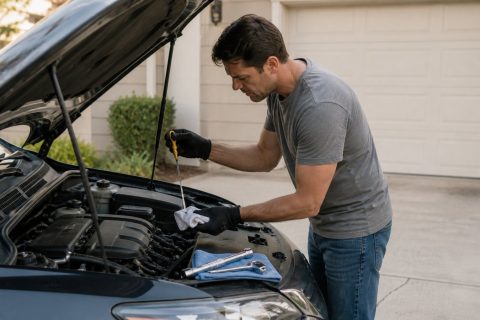
A basic home energy audit is a structured look at how a home uses energy and where comfort problems may indicate waste. It is not a substitute for a professional assessment, combustion-safety testing, or electrical work. Its value is helping you separate inexpensive maintenance from projects that need measurement, expertise, or a larger budget.
The U.S. Department of Energy recommends reviewing air leaks, insulation, heating and cooling equipment, lighting, and appliances. Start with evidence rather than a shopping list.
Establish a baseline from utility bills
Collect at least 12 months of electricity and fuel bills if available. Record usage units, not only dollar totals, because rates and fees change. Note floor area, number of occupants, thermostat practices, work-from-home schedules, electric vehicles, and any equipment changes.
Compare each month with the same month in a prior year rather than the immediately preceding month. Weather drives heating and cooling demand. Some utilities provide weather-normalized comparisons or hourly data that can reveal overnight loads and unusual spikes.
Look for patterns:
- High use during mild months may point to water heating, appliances, pools, or continuous loads.
- A sudden increase may follow equipment failure, a new occupant, or a billing change.
- Similar homes are only rough comparisons; construction, shade, behavior, and fuel type matter.
Set a goal such as improving an uncomfortable room, reducing winter heating use, or identifying the largest safe projects. A specific goal keeps the audit focused.
Walk the exterior and building boundary
The building boundary separates conditioned space from outdoors or unconditioned areas.
Identify which spaces are conditioned. An attached garage, vented attic, or crawl space may sit outside the boundary. This distinction determines where air sealing and insulation belong. If the boundary is unclear, a professional can map it.
Do not seal intentional combustion-air openings, plumbing vents, dryer exhausts, or required ventilation. Caulk is not a universal solution.
Find obvious air leaks
On a cool or windy day, feel around window frames, exterior doors, attic hatches, baseboards, recessed fixtures, plumbing penetrations, and outlets on exterior walls. A damp hand can sense moving air, but avoid candles or incense near combustible materials.
Inspect door sweeps and weatherstripping for light, cracks, and compression. Check whether windows latch fully. Look under sinks and behind removable access panels for large gaps around pipes.
Prioritize large connections to attics, crawl spaces, garages, and chases before tiny window cracks. DOE guidance notes that air sealing and insulation work together. In many homes, hidden pathways carry more air than visible gaps.
Combustion safety matters. Air sealing can change pressure around furnaces, boilers, fireplaces, and water heaters. Homes with fuel-burning equipment should receive appropriate testing before and after substantial sealing. Maintain carbon monoxide alarms according to manufacturer and local requirements.
Inspect insulation without disturbing hazards
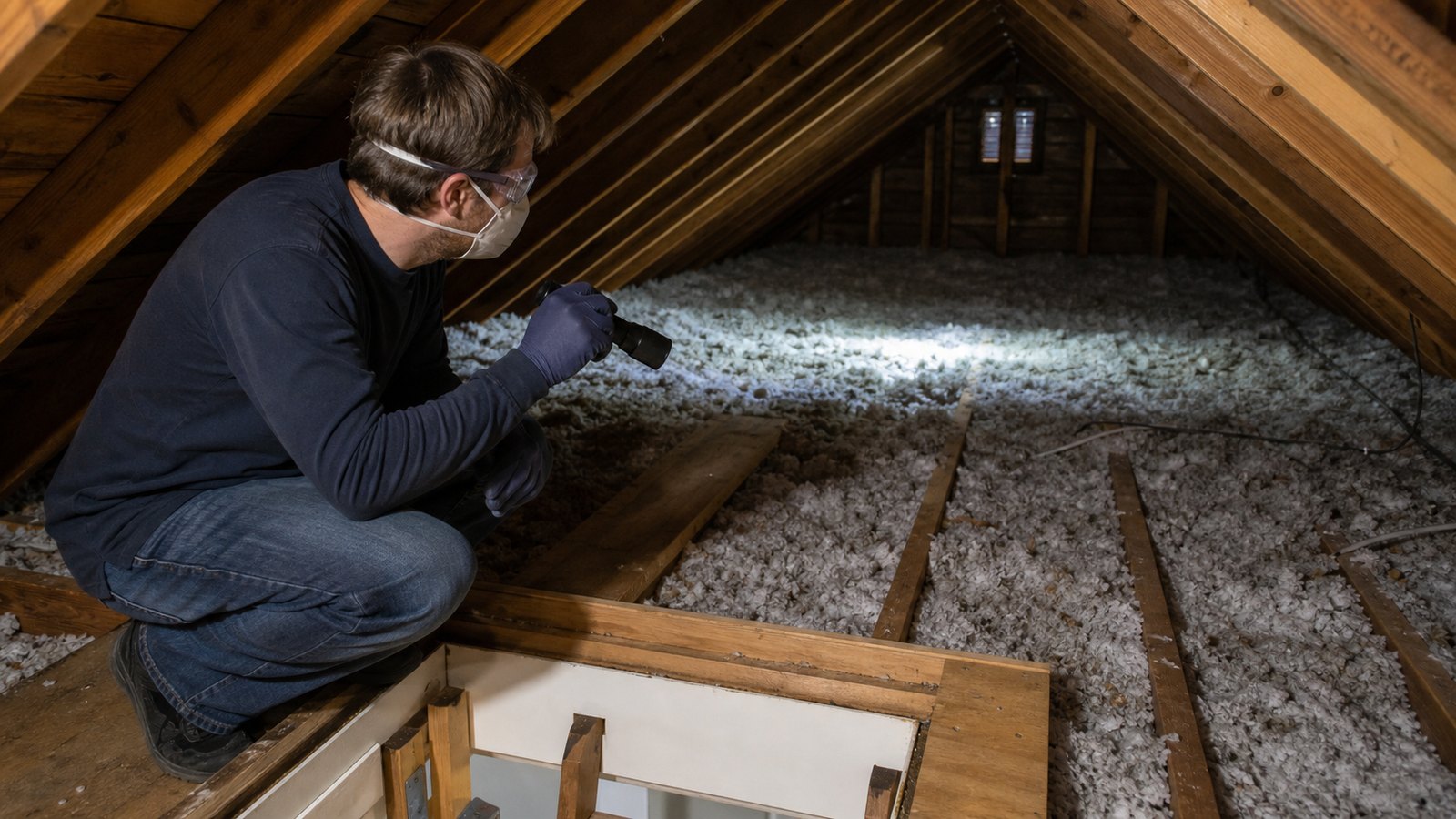
From a safe attic walkway, look for uneven coverage, compressed or displaced insulation, bare areas, and dark streaks that may indicate air movement. Do not step between framing members or bury yourself in insulation. Avoid contact with exposed wiring, damaged materials, vermiculite, animal waste, or suspected asbestos.
Measure depth only where it is safe and compare the material with DOE recommendations for your climate and assembly. R-value depends on type, density, installation, and condition; depth alone is not a complete rating.
Check accessible rim joists, basement walls, crawl spaces, and hatches. Insulation should not block soffit ventilation or contact heat-producing equipment unless the assembly is designed for it. Moisture, pests, roof leaks, and electrical defects should be corrected before adding material.
Wall insulation is difficult to judge visually. A professional thermal scan or careful inspection may be needed. Do not drill exploratory holes where utilities or hazardous materials may be present.
Review heating and cooling systems
Find the equipment model numbers, age, service records, and filter size. Replace or clean filters according to the manufacturer, using a type the system can handle. An overly restrictive filter can reduce airflow.
With the system running normally, note rooms that heat or cool slowly, short cycling, unusual sounds, persistent odors, or large temperature differences. Check that supply and return registers are open and unobstructed. Inspect accessible ducts for disconnected sections, crushed flex duct, loose joints, and damaged insulation.
Outdoor heat-pump or air-conditioner units need clear airflow. Remove leaves and debris without bending fins or opening equipment. Keep dryer and exhaust outlets clear.
Fuel-burning systems and refrigerant circuits require qualified service. Never adjust burners, open sealed panels, or interpret flame color as a complete safety test.
Check water heating and hot-water use
Water heating can be a major load. Identify heater type, age, temperature setting, visible leaks, corrosion, and pipe condition.
Time how long hot water takes to reach distant fixtures. Long waits can waste both water and energy. Inspect accessible hot-water pipes for insulation, but keep insulation away from vents, flames, and prohibited areas.
Review habits and fixtures: long showers, leaking hot-water faucets, high-flow showerheads, and frequent small dishwasher loads. Fixing a leak or using full loads may be safer and cheaper than modifying equipment.
Inventory lighting, appliances, and plug loads
List the fixtures used most often and their bulb types. Replacing frequently used incandescent or halogen bulbs with suitable LED products usually matters more than replacing a rarely used closet bulb. Confirm dimmer, enclosed-fixture, and outdoor compatibility.
Use a plug-in electricity meter for appropriate 120-volt devices if you can operate it safely. Measure refrigerators, entertainment systems, office equipment, dehumidifiers, and aquariums over a representative period. Never use a plug meter on hardwired or high-voltage appliances.
Check refrigerator and freezer door seals, temperatures, clearances, and dust accessible coils according to the manual. Disable unnecessary “always on” features and sleep delays on electronics.
Assess ventilation and moisture
An efficient home still needs controlled ventilation. Check bathroom fans, kitchen exhaust, and dryer ducts. Fans should discharge outdoors rather than into an attic or crawl space. Clean grilles and lint areas, and note excessive condensation, peeling paint, or persistent humidity.
Do not solve moisture by sealing blindly. Indoor humidity, roof or plumbing leaks, ground moisture, and inadequate exhaust require different responses. Radon, combustion gases, and indoor pollutants also need source-specific testing or mitigation.
Rank improvements by risk and return
Create a table with the problem, evidence, proposed action, estimated cost, expected benefit, safety dependency, and responsible person. Group actions:
- Maintenance: replace a filter, close a fireplace damper when safe and unused, clean a grille, adjust schedules.
- Low-risk sealing: weatherstrip an exterior door or seal a clearly identified nonhazardous gap.
- Professional work: attic air sealing, duct repair, combustion testing, insulation, electrical corrections, HVAC replacement.
- Future upgrades: windows, major equipment, solar, or remodeling coordinated with planned replacement.
Do not rank projects only by advertised savings. Comfort, moisture control, equipment life, indoor air quality, and resilience also matter. Get multiple estimates for major work and ask contractors to explain assumptions.
Verify results
Photograph conditions before work, retain invoices and product details, and compare energy usage over similar weather periods. A lower bill may result from weather or rates, so use consumption data when possible.
Repeat comfort observations: room temperatures, drafts, equipment runtime, and humidity. After significant air sealing or HVAC changes, request appropriate commissioning and safety tests. If results disappoint, revisit the diagnosis rather than adding unrelated upgrades.
A basic audit succeeds when it creates a defensible order of work. Start with bills and symptoms, inspect the boundary, address safety and moisture, complete inexpensive maintenance, and use qualified professionals for hidden or hazardous systems. That sequence turns energy efficiency from guesswork into home management.