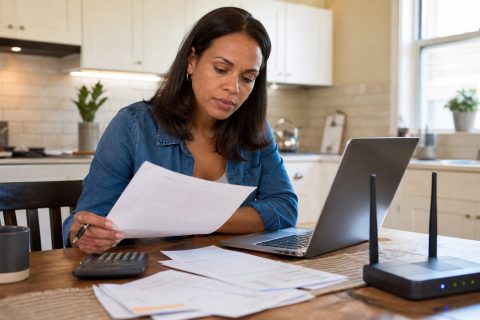
A power outage can be a brief inconvenience or a household emergency that lasts for days. Either way, the first minutes are easier when you already know where the flashlights are, how you will receive updates, and which family member needs extra help. Preparation begins with identifying the systems your household depends on and creating safe backups.
This guide covers the practical steps that matter most: planning around individual needs, assembling supplies, protecting food, avoiding carbon monoxide and electrical hazards, and returning to normal carefully.
Start With the Needs of Your Household
Make a list of everything you use in a normal day that requires electricity. Go beyond lamps and televisions. Home internet equipment, electric garage doors, well pumps, elevators, mobility devices, medical equipment, refrigerated medicine, cooking appliances, and heating or cooling systems may all stop working.
Next, identify who would be affected first. Infants, older adults, people with disabilities, and anyone sensitive to heat or cold may need earlier relocation. Pets may also need temperature control, water, or powered equipment. If a household member uses an electric medical device or temperature-sensitive medication, discuss an outage plan with their healthcare provider. Ask how long the device can operate on backup power and how the medicine should be handled if refrigeration is interrupted.
Write important phone numbers on paper, including your utility, local emergency management office, healthcare providers, nearby relatives, and trusted neighbors.
Build a Practical Outage Kit
Keep essential items together in an easy-to-reach location. Everyone in the home should know where the kit is stored. Check it twice a year and replace expired food, depleted batteries, and damaged equipment.
A useful kit may include:
- Flashlights or battery-powered lanterns for each household member
- Fresh batteries in the sizes your devices require
- Charged power banks and the correct charging cables
- A battery-powered or hand-crank radio
- Drinking water and shelf-stable foods your household will actually eat
- A manual can opener, basic utensils, and pet supplies
- First-aid materials and necessary personal hygiene items
- Blankets, warm layers, or heat-appropriate clothing
- Copies of key contacts and a small amount of cash
Avoid relying on candles as your primary light source because open flames add fire and burn risks. Test flashlights periodically rather than discovering corroded batteries during an emergency.
Prepare Communication and Charging Backups
Enable alerts from your utility and local government before an outage. Learn where outage maps and community shelter information are normally posted. If cell service becomes congested, text messages may be more practical than repeated calls. Choose one out-of-area contact who can help family members share their status.
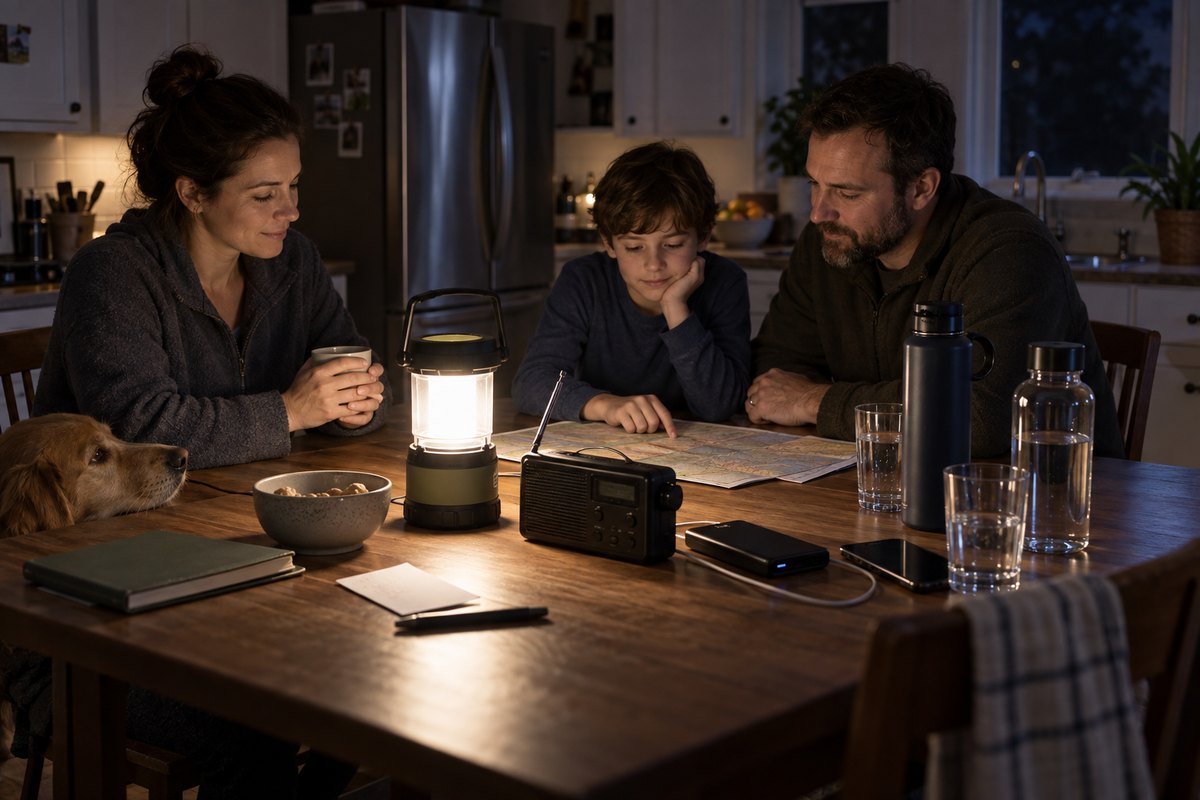
Keep phones, power banks, and rechargeable lights topped up when severe weather is forecast. Download critical information, maps, and medical details for offline access. A car charger can be a useful backup, but never run a vehicle in a garage or other enclosed area.
Determine whether your home phone works without household power and, if it has a battery backup, how long that backup lasts. Write down a simple family check-in plan covering where to meet, who will check on vulnerable relatives, and when you would leave for a powered location.
Protect Refrigerated and Frozen Food
Add separate appliance thermometers to the refrigerator and freezer before an emergency. Aim for 40°F or colder in the refrigerator and 0°F or colder in the freezer during normal operation. Frozen water containers and gel packs provide reserve cooling for a cooler, while keeping frozen packages close together slows warming.
When electricity stops, resist checking the food repeatedly; every opened door releases cold air. FDA planning benchmarks give refrigerated food roughly four hours in a closed appliance. A packed freezer may maintain safe cold for close to two days, compared with about one day when it is only half full. Treat those numbers as estimates and let an appliance thermometer guide the final decision.
After power returns, check temperatures. Do not taste food to judge whether it is safe. Discard refrigerated perishables that have been above 40°F for four hours or longer. Frozen food may generally be refrozen or cooked if it still contains ice crystals or is at 40°F or below. When the history of a perishable item is uncertain, throwing it away is safer than taking a chance.
Plan for Heat, Cold, Water, and Medicine
An outage during severe heat or cold may require leaving home. Decide in advance which library, shelter, community facility, or trusted household can receive you. Kitchen burners and ovens are cooking equipment, not safe substitutes for home heating. In cold weather, layer clothing and gather in a suitable room. In hot weather, lower activity, hydrate, block direct sun, and relocate before indoor conditions become hazardous.
Homes with electric well pumps may lose running water, so store drinking water appropriately and follow local advisories after storms or flooding. Never assume that water is safe if officials have issued a warning.
For refrigerated medication, follow instructions from a pharmacist or healthcare provider rather than applying food-storage rules. Keep prescription details available, and know which pharmacy or clinic to contact if a replacement supply is needed.
Prevent Carbon Monoxide and Electrical Hazards
Fuel-burning equipment can create carbon monoxide without giving a visible or smell-based warning. Put battery-backed carbon monoxide detectors on each floor, follow the placement instructions, and include their test buttons and batteries in routine home maintenance.
Operate generators, grills, and camp stoves only in open outdoor air. For a portable generator, Ready.gov’s distance benchmark is at least 20 feet from the home and its openings, including windows, doors, and an attached garage. Protect the unit from moisture without enclosing it, shut it down and let it cool before adding fuel, and follow its manual. Household wiring should receive generator power only through transfer equipment installed by a qualified electrician; a makeshift connection can send electricity where workers and neighbors do not expect it.
If a carbon monoxide alarm sounds or anyone feels ill around fuel-burning equipment, move everyone into fresh air and contact emergency services. Do not reenter simply because the alarm stops.
Know What to Do When the Power Fails
First, determine whether the outage affects only your home. Check the breaker panel only if it is safe and dry; otherwise, report the outage to the utility. Stay away from downed lines and anything touching them, and report the location. Treat every line as energized.
Then follow a calm sequence:
- Switch to flashlights or lanterns and account for everyone.
- Report the outage and monitor official updates.
- Close refrigerator and freezer doors.
- Unplug sensitive electronics and turn off major appliances to reduce surge damage when service returns.
- Leave one light switched on so you know when power is restored.
- Check on neighbors who may need assistance without putting yourself at risk.
Preserve phone power by lowering screen brightness and limiting streaming. If conditions become too hot, cold, or medically unsafe, relocate early rather than waiting for the situation to worsen.
Restore the Home Carefully
When electricity returns, give the system a few minutes to stabilize. Reconnect essential devices gradually instead of turning everything on at once. Inspect power strips, plugs, and appliances for heat, moisture, unusual smells, or visible damage. Do not use wet electrical equipment, and contact a qualified professional if flooding or wiring damage is suspected.
Reset clocks, alarms, thermostats, and medical-device settings. Review refrigerator and freezer temperatures before deciding what to keep. Replace used batteries and recharge power banks promptly so the kit is ready if service fails again. If your area experienced flooding, follow public guidance on water and food safety rather than assuming that restored electricity means every service is safe.
Finally, note what worked and what did not. Maybe the radio was difficult to tune, a cable was missing, or the family needed more shelf-stable meals. Updating the plan immediately turns a stressful event into useful preparation for the next one.
Conclusion: Make Outage Readiness a Routine
The best power-outage plan is simple enough to maintain and specific enough to use under stress. Start with the people and equipment that cannot safely go without electricity, then add dependable lighting, communication, food protection, and a clear relocation plan. Safe generator practices and working carbon monoxide alarms are nonnegotiable.
Review the kit when clocks change, before your region’s severe-weather season, or whenever household needs change. A few scheduled checks can prevent rushed decisions, wasted food, and avoidable hazards when the power suddenly disappears.