Moving is easier when you treat it as a sequence of deadlines rather than one exhausting weekend. A written checklist keeps address changes, packing, utilities, documents, and building rules from competing for attention at the same time. Start early, assign each task to a date, and keep confirmations in one place. The goal is not a perfectly organized move. It is a controlled handoff from one home to another, with fewer missed services, damaged items, and last-minute expenses.
Six to eight weeks before moving
Confirm the move date, access hours, and the distance between both homes. If you rent, review the notice requirement, cleaning expectations, key-return procedure, and rules for reserving elevators or loading areas. If you own either property, check closing dates and any building requirements that affect movers, parking, or insurance documents.
Create a basic moving budget with separate lines for transportation, packing supplies, deposits, cleaning, travel, storage, tips, and an emergency margin. Request written estimates from movers, or price a rental truck and equipment if you are moving yourself. Compare what each quote includes: stairs, long carries, bulky items, fuel, mileage, packing, valuation coverage, and cancellation terms can change the final cost.
Walk through every room and decide what will move. Sell, donate, recycle, or discard items that are not worth transporting. Measure large furniture, doorways, stairwells, and elevator openings at the new home. A sofa that fits the room may still fail to fit the route into it.
Create a moving folder, digital or physical, for estimates, contracts, inventory photos, lease or closing papers, receipts, reservation details, and contact numbers. Keep sensitive documents separate from boxes that will travel in a truck.
Four weeks before moving
Submit your address change through the official channels that apply to you. The federal change-of-address guidance explains which government agencies may need separate updates, while USPS provides mail-forwarding and mail-management options. Mail forwarding is useful, but it does not replace updating banks, employers, insurers, licensing agencies, subscriptions, medical providers, schools, and anyone who sends important records.
Build a personalized address list. Include financial accounts, tax records, voter registration where applicable, vehicle records, pet registrations, professional licenses, online retailers, family, and recurring deliveries. Record the date each update was completed and save confirmation numbers.
Contact electricity, gas, water, trash, internet, and any security provider. Schedule service to end after you finish cleaning the old home and begin before you arrive at the new one when possible. Ask whether equipment must be returned, transferred, or installed. Note appointment windows, fees, deposits, and the name associated with each account.
If the new address is in an unfamiliar area, review practical risks before move-in. FEMA flood maps can help you understand mapped flood hazards, but they should be one part of a broader check that may include local emergency information, insurance questions, drainage around the property, and evacuation routes. Do not assume a property outside a high-risk zone has no flood exposure.
Start packing items you rarely use: seasonal clothing, books, decorations, spare linens, and specialty kitchenware. Label every box with its destination room and a short description. Numbering boxes and keeping a matching inventory makes it easier to notice if something is missing.
Two weeks before moving
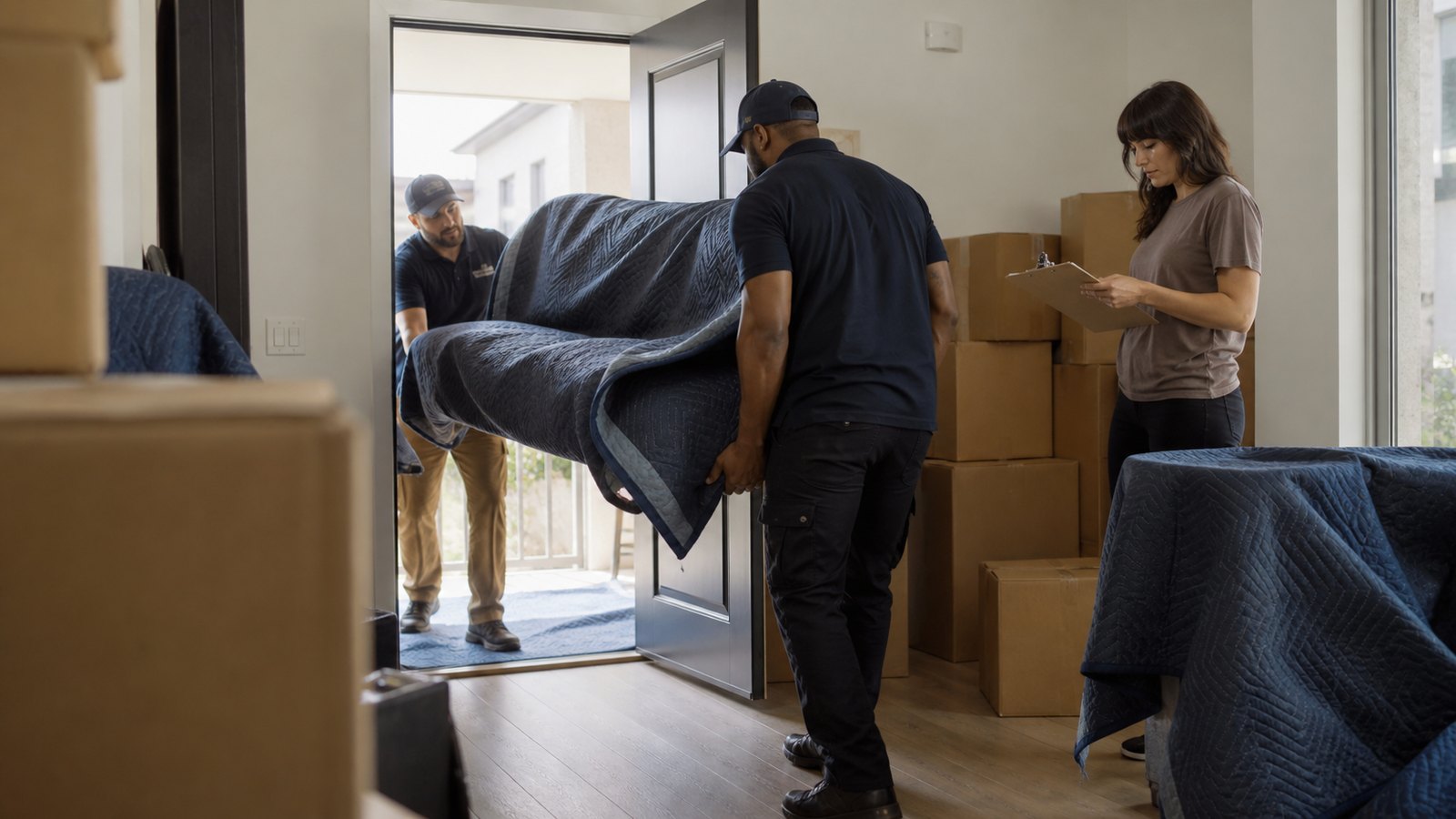
Confirm the mover, truck, helpers, parking, loading access, elevator reservation, and arrival window. Recheck the written price terms and payment method. Share only the information helpers need, and keep contracts accessible rather than buried in a box.
Plan meals around food already in the refrigerator, freezer, and pantry. Movers may restrict chemicals, fuel, propane, paint, aerosols, plants, or perishables, so ask what cannot be transported. Arrange lawful disposal or personal transport instead of placing restricted materials into unmarked boxes.
Refill necessary prescriptions and transfer them if your pharmacy will change. Collect medical, school, veterinary, and maintenance records that may be difficult to retrieve quickly. Back up important computer files before equipment is disconnected.
Prepare a simple floor plan for the new home. Mark bedrooms, furniture locations, and box destinations. This reduces repeated questions on moving day and prevents heavy furniture from being placed wherever it first fits.
The final week
Pack an essentials bag for every household member. Include identification, medications, chargers, toiletries, a change of clothes, basic bedding, snacks, water, pet supplies, and items needed for children. Add toilet paper, soap, paper towels, a small toolkit, cleaning supplies, trash bags, scissors, and a flashlight to a clearly marked first-night box.
Photograph valuable items and the condition of furniture before transport. Photograph utility meter readings if appropriate and allowed. At a rental, document the condition of the empty home after cleaning, including floors, walls, appliances, and fixtures. Keep the images with date information and your move records.
Defrost and dry the freezer if it is moving. Disconnect appliances according to manufacturer guidance, secure cords and removable parts, and avoid attempting gas or electrical work that requires a qualified professional. Confirm how keys, passes, remotes, and access cards will be transferred.
Set aside valuables and irreplaceable items to carry personally. Identification, financial papers, jewelry, small electronics, family keepsakes, and moving documents should not disappear into the general shipment.
Moving day
Charge your phone, eat before work begins, and wear practical shoes. Walk through the home with the mover or helpers, identify fragile and restricted items, and confirm the destination address. Use your inventory while boxes leave, not after the truck is gone.
Before departing, check closets, cabinets, drawers, appliances, storage areas, balconies, garages, and outdoor spaces. Turn off lights, close windows, follow the agreed thermostat instructions, and complete the required key handoff. Do not shut off a utility manually unless the provider or property manager has instructed you to do so.
At the new home, verify basic safety and access first. Locate exits, smoke and carbon monoxide alarms, the electrical panel, water shutoff, and any building emergency instructions. Inspect rooms before furniture blocks walls or floors. Direct labeled boxes to their rooms and assemble beds before less urgent furniture.
The first week after arrival
Check delivered items against the inventory and photograph damage before discarding packing materials. Follow the mover’s written process and deadlines if you need to report loss or damage. Test utilities, locks, major appliances, and internet service, then resolve problems while appointment and account details are easy to find.
Confirm that important institutions show the new address and monitor mail forwarding. Update saved addresses in shopping and delivery accounts before placing orders. Learn trash, recycling, parking, and building procedures, and identify nearby urgent care, pharmacies, grocery stores, and emergency routes.
After confirming you have possession, ask the owner or property manager whether exterior locks or access codes should be changed. Update emergency contacts, delivery instructions, and household routines. If children or pets are present, secure gates, windows, cords, cleaning products, and unfamiliar exits before unpacking creates distractions.
Unpack by function rather than opening everything at once: sleeping, bathing, meals, work, and daily clothing come first. Break down boxes as rooms are completed, but retain useful packing materials until fragile items have been checked. Finally, review receipts, close completed tasks, and keep the moving folder through any deposit, claim, tax, or billing follow-up. A successful move ends when records and services are settled, not when the last box crosses the door.