A credit card statement is more than a payment reminder. It is a monthly record of what entered the account, what left it, how the issuer calculated charges, and what must happen next. Reading it carefully can reveal a duplicated purchase, a missing refund, an unexpected fee, or an interest charge that deserves a closer look. It can also show whether everyday spending is pushing the balance in the wrong direction.
The layout varies by issuer, but the essential information is usually familiar. A consistent review method makes the document easier to understand and gives you a better record if something is wrong.
Start With the Statement Period and Account Summary
First, identify the billing cycle’s opening and closing dates. Transactions posted during that window generally appear on this statement, although a purchase made near the closing date may post in the next cycle. This distinction can prevent you from treating a normal timing difference as an error.
Next, review the account summary. It typically brings together the previous balance, payments, credits, purchases, cash advances, fees, interest, and new balance. Treat it like a compact reconciliation rather than a group of unrelated numbers.
Use this basic check:
- Begin with the previous balance.
- Subtract payments and credits.
- Add purchases, advances, fees, and interest.
- Compare the result with the new balance.
Rounding or issuer presentation may affect how the arithmetic appears, but an unexplained difference is worth investigating. Also compare the previous balance with the new balance on last month’s statement. Those figures should normally connect.
Separate the Balance From the Amount Due
Several prominent numbers can appear together, yet they answer different questions. The new balance is the total owed as of the statement closing date. The minimum payment is the smallest scheduled amount the issuer says must be paid by the due date. The statement balance may be relevant to a purchase grace period, while a current online balance may include activity that occurred after the statement closed.
Do not assume that paying the minimum clears the account. It usually leaves a balance that can continue generating interest. The payment information box may estimate how long repayment could take if no new purchases are made and only minimum payments are submitted. It may also show an estimated monthly payment that would retire the stated balance in about three years. Those illustrations are based on the balance at that statement date, not future spending.
Check these items together:
- Payment due date
- Minimum payment due
- New or statement balance
- Any past-due amount
- Any warning about a late payment or penalty rate
This prevents a common mistake: looking only at the balance and missing a past-due component or a changed minimum.
Reconcile Every Transaction, Not Just Large Purchases
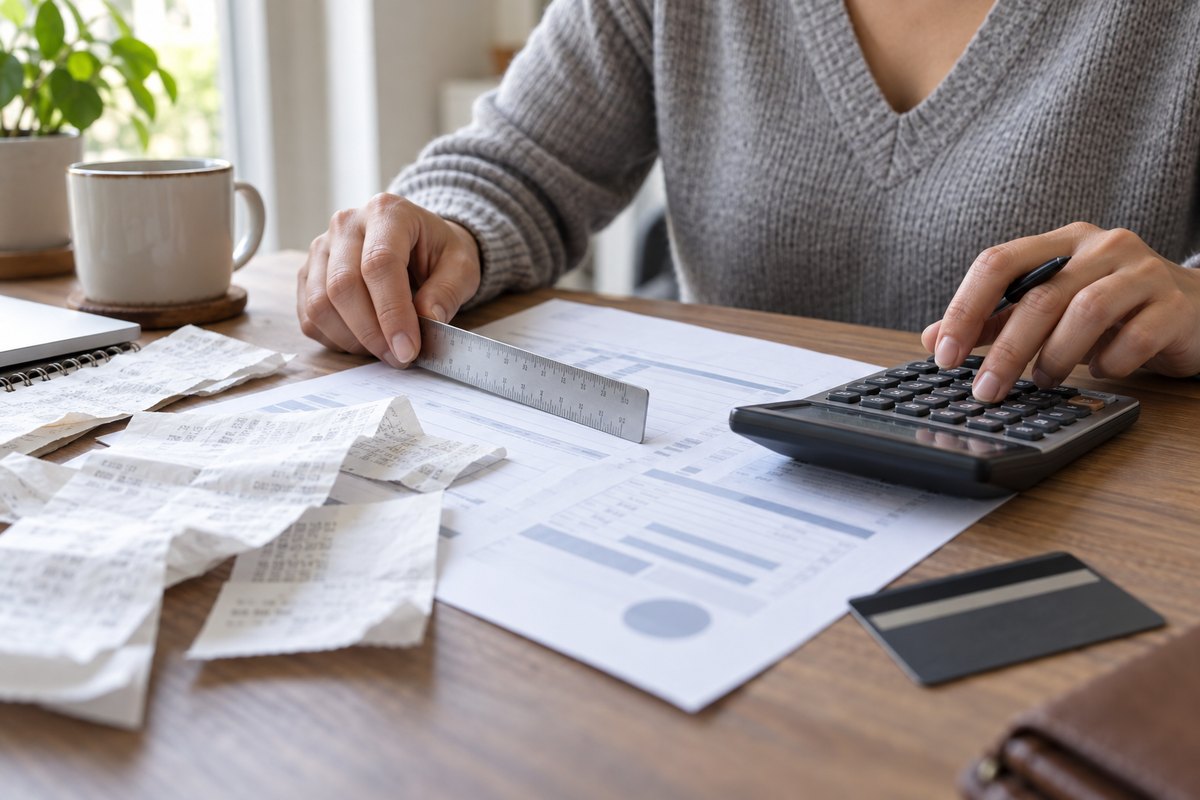
Read the transaction list line by line. Compare it with receipts, order confirmations, digital-wallet history, subscription records, and returns. Small errors matter because they are easier to overlook and may repeat.
Merchant names can be confusing. A statement may show a parent company, payment processor, abbreviated name, or the city where a business is registered rather than its storefront name. Before labeling a charge unauthorized, search your own email receipts and ask authorized users on the account whether they recognize it.
For each transaction, verify:
- Merchant or transaction description
- Posted amount
- Purchase or transaction date
- Whether the charge appears more than once
- Whether a promised credit or refund posted
- Whether the item was canceled, returned, or never received
Pay attention to posted dates as well as purchase dates. A legitimate transaction may post days later, but a wrong amount, duplicate entry, or unfamiliar charge still needs follow-up.
Review Credits, Payments, and Returns
A statement can be wrong because money that should reduce the balance is missing. Confirm that every payment was credited and that the amount and date are correct. Then check refunds, statement credits, rewards redemptions, charge reversals, and promotional credits.
A merchant refund may take time to appear, and it may not land in the same billing cycle as the return. Keep the return receipt or cancellation confirmation until the credit is visible. If a payment is missing, retain the bank confirmation, check image, money-order receipt, or electronic payment reference.
Inspect Fees, Interest, and APR Details
Statements usually separate fees charged during the cycle from interest charged during the cycle. Review both sections, even when the total seems modest. Look for annual fees, late fees, balance-transfer fees, cash-advance fees, returned-payment fees, and foreign transaction fees. Match each one to an action or account term you recognize.
The interest-charge calculation may divide balances by category because purchases, cash advances, and balance transfers can have different annual percentage rates. A promotional rate may also expire, creating a noticeable change. Compare the listed APRs with recent statements and account notices.
Questions that can expose a problem include:
- Was interest charged even though you expected a grace period?
- Did an introductory APR end when expected?
- Was a fee triggered by an actual late or returned payment?
- Is the balance subject to interest consistent with the account activity?
- Did a cash-like transaction receive different treatment than a purchase?
Know What Can Count as a Billing Error
Under the federal billing-error process described by the Federal Trade Commission and the Consumer Financial Protection Bureau, potentially disputable problems can include unauthorized charges, incorrect amounts or dates, duplicate charges, missing payments or credits, and charges for goods that were not accepted or delivered as agreed. A request for clarification or documentation about a charge may also fit the process in certain circumstances.
Warning signs include:
- A merchant you cannot identify after checking records
- The same transaction posted twice
- A tip or total that differs from the receipt
- A canceled subscription that continues billing
- A returned item with no corresponding credit
- A payment credited for the wrong amount
- A fee that conflicts with the account activity
If an unfamiliar transaction suggests identity theft, securing the account is a separate priority from correcting the statement. Contact the issuer promptly and review other accounts for suspicious activity.
Build a Clear Dispute Record
Calling or using the issuer’s online dispute tool may resolve a simple issue quickly, but federal guidance emphasizes a written billing-error notice for preserving legal rights. Use the billing-inquiries address shown on the statement, which may be different from the payment address.
The notice should identify you and the account, name the disputed amount, and explain clearly why you believe the bill is wrong. Attach copies rather than originals of useful records, such as receipts, cancellation emails, delivery information, or payment confirmations. Keep a complete copy of what you send and evidence of delivery.
Timing matters. The notice generally must reach the issuer within 60 days after the first statement containing the error was sent. After receiving a qualifying notice, the issuer generally has 30 days to acknowledge it unless the issue has already been resolved, and it must complete the investigation within the applicable federal timeframe.
During the investigation, continue paying the undisputed portion on time. Do not simply stop all payments because one charge is contested. Track correspondence, temporary credits, status updates, and the final explanation so you can verify that the correction reaches a later statement.
Use a Monthly Five-Minute Review Routine
A repeatable process reduces the chance that a short dispute window will pass unnoticed. Review the statement soon after it becomes available rather than waiting for the due date.
A practical routine is:
- Confirm the statement period, previous balance, and new balance.
- Match payments, refunds, and other credits.
- Scan every purchase and recurring charge.
- Review fees, interest, and APR categories.
- Check the due date, minimum payment, and any past-due amount.
- Save documentation for anything unresolved.
Conclusion
Reading a credit card statement is an exercise in matching numbers to real events. Start with the account summary, connect every transaction to a receipt or memory, confirm that payments and refunds arrived, and examine fees and interest rather than treating them as background details. Then compare the required payment with the total balance so the two are not confused.
When something does not match, document it immediately, use the correct billing-dispute address, observe the federal timing rules, and keep paying the portion that is not in question. A short monthly review turns a dense financial document into a practical control for catching errors and understanding the cost of the account.